
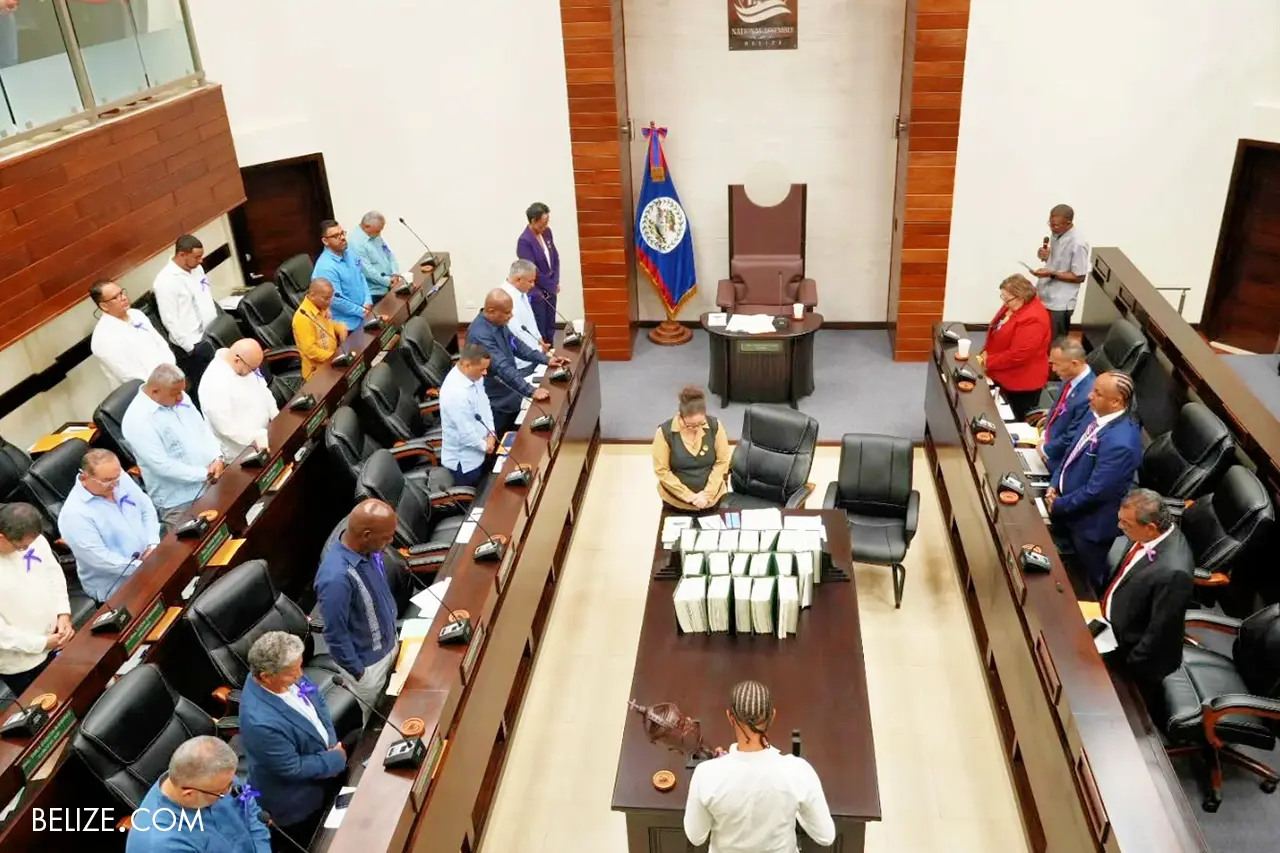
In its 18 August report issued on Belize, credit rating agency S&P predicts that the ruling People’s United Party led by John Briceño will win the next general elections in 2030. The PUP regained power in 2020 after being out of office for 13 years, and in 2025 further cemented its grip with a super majority win of 26 seats out of 31 in parliament. General Elections in Belize must be held every five years. But the country retains the British system of calling a general election at any time, best described as a snap election mechanism, providing the government with immense tactical flexibility. In the past this has been used to call elections as early as three years in office
The S&P report says ” The People’s United Party (PUP) looks set to remain in leadership until the next election in 2030. The PUP has governed since 2020 and retained its super majority in the 2025 elections, given a fractured opposition. Municipal elections set for 2027 could prolong the PUP’s status as the leading political force. Despite its mandate, the PUP has not significantly advanced corrective fiscal reform; its focus has been on strengthening the tax revenue collection. A long-standing pension reform to mitigate pressure on the budget (Pension Plan for Public Officials [PPPO]) hasn’t significantly moved forward yet. Neither have plans to establish a sinking fund to prepare for Blue Bond amortization payments or a fiscal responsibility law to anchor fiscal management. Policy choices under successive governments, in our view, weigh on Belize’s sustained ability to service its debt. In the past two decades, the sovereign has defaulted five times, which we believe limits its access to external commercial funding.”
S&P Affirms Belize’s B-/B Credit Rating With Stable Outlook
S&P Global Ratings has affirmed Belize’s B-/B sovereign credit ratings and maintained a stable outlook, saying it expects the country’s economy to continue growing moderately while fiscal and external pressures remain manageable.
The rating agency’s assessment reflects a mixed picture. Belize continues to face significant vulnerabilities because of its small, open economy, dependence on tourism and exposure to external shocks. At the same time, S&P does not expect a major deterioration in the country’s fiscal or external position over the near term.
Moderate Economic Growth Expected
S&P expects Belize’s economy to grow at a moderate pace over the coming years, supported primarily by tourism and business services.
The agency expects economic growth to average around 2% annually over the medium term. While this represents relatively modest expansion, S&P considers the outlook broadly stable.
Tourism remains particularly important to Belize’s economic performance, but its heavy dependence on tourism also leaves the country exposed to global economic conditions, natural disasters and changes in international travel.
Fiscal Pressures Remain
S&P continues to focus on Belize’s fiscal position and the government’s ability to manage its finances over the long term.
The agency expects Belize to continue working toward fiscal consolidation while maintaining spending on important public services and development priorities.
S&P also points to the need for continued improvements in revenue collection and fiscal management.
One of the longer-term issues highlighted by the agency is the reform of the public-sector pension system, along with the need for stronger fiscal rules and policies that can help contain future government liabilities.
Debt Remains a Major Consideration
Belize’s relatively high debt burden remains an important factor behind its B-/B rating.
The country has a history of sovereign debt restructurings and defaults, something S&P continues to take into consideration when assessing Belize’s creditworthiness.
The agency also notes that Belize has limited access to international commercial financing compared with higher-rated sovereigns.
However, the current assessment does not indicate that S&P expects Belize to face an imminent debt crisis.
The stable outlook suggests that the agency believes the government’s current policy direction is broadly consistent with maintaining its ability to meet its financial obligations.
Belize Remains Vulnerable to External Shocks
S&P highlights the risks created by Belize’s small and open economy.
The country is particularly vulnerable to movements in global commodity prices, especially oil, because Belize imports much of its energy.
Higher oil prices can increase the country’s import bill, put pressure on the current account and raise costs throughout the domestic economy.
Belize is also highly exposed to hurricanes and other climate-related events. A major natural disaster could damage infrastructure, disrupt tourism and agriculture, and place additional pressure on government finances.
Tourism Is Both a Strength and a Risk
Tourism continues to be one of Belize’s most important economic engines.
Strong visitor numbers support employment, foreign exchange earnings, government revenue and economic activity across a wide range of businesses.
However, S&P also recognizes the risks associated with relying heavily on tourism.
A global recession, changes in travel patterns, a major hurricane or other external shock could quickly affect visitor arrivals and the wider economy.
This makes economic diversification an important long-term consideration for Belize.
What Could Improve the Rating?
S&P indicates that Belize could benefit from stronger economic growth, improved fiscal performance and continued progress in reducing vulnerabilities.
A stronger external position, better fiscal management and improved access to financing could also support an eventual improvement in the country’s credit rating.
On the other hand, a significant deterioration in fiscal performance, weaker economic growth or renewed pressure on Belize’s external finances could put downward pressure on the rating.
The Bottom Line
S&P’s latest assessment is neither a warning of an immediate crisis nor an endorsement that Belize’s economic challenges have been solved.
The B-/B rating remains in place and the outlook is stable.
The agency expects moderate economic growth, while recognizing that Belize remains vulnerable because of its small economy, dependence on tourism, exposure to energy prices, climate risks and relatively high debt levels.
For Belize, the message is fairly straightforward: the economy remains stable, but there is limited room for complacency.
The challenge will be to maintain fiscal discipline while continuing to invest in infrastructure, economic diversification, climate resilience and the productive capacity needed to generate stronger long-term growth.
S&P is ultimately assessing Belize from the perspective of sovereign credit risk. For policymakers, however, the larger challenge is broader: building an economy that is not only able to service its debt, but is also more productive, diversified and resilient for the Belizean population.