
Tobacco Control Bill Could Bring Major Changes to Smoking Culture and Hospitality Industry
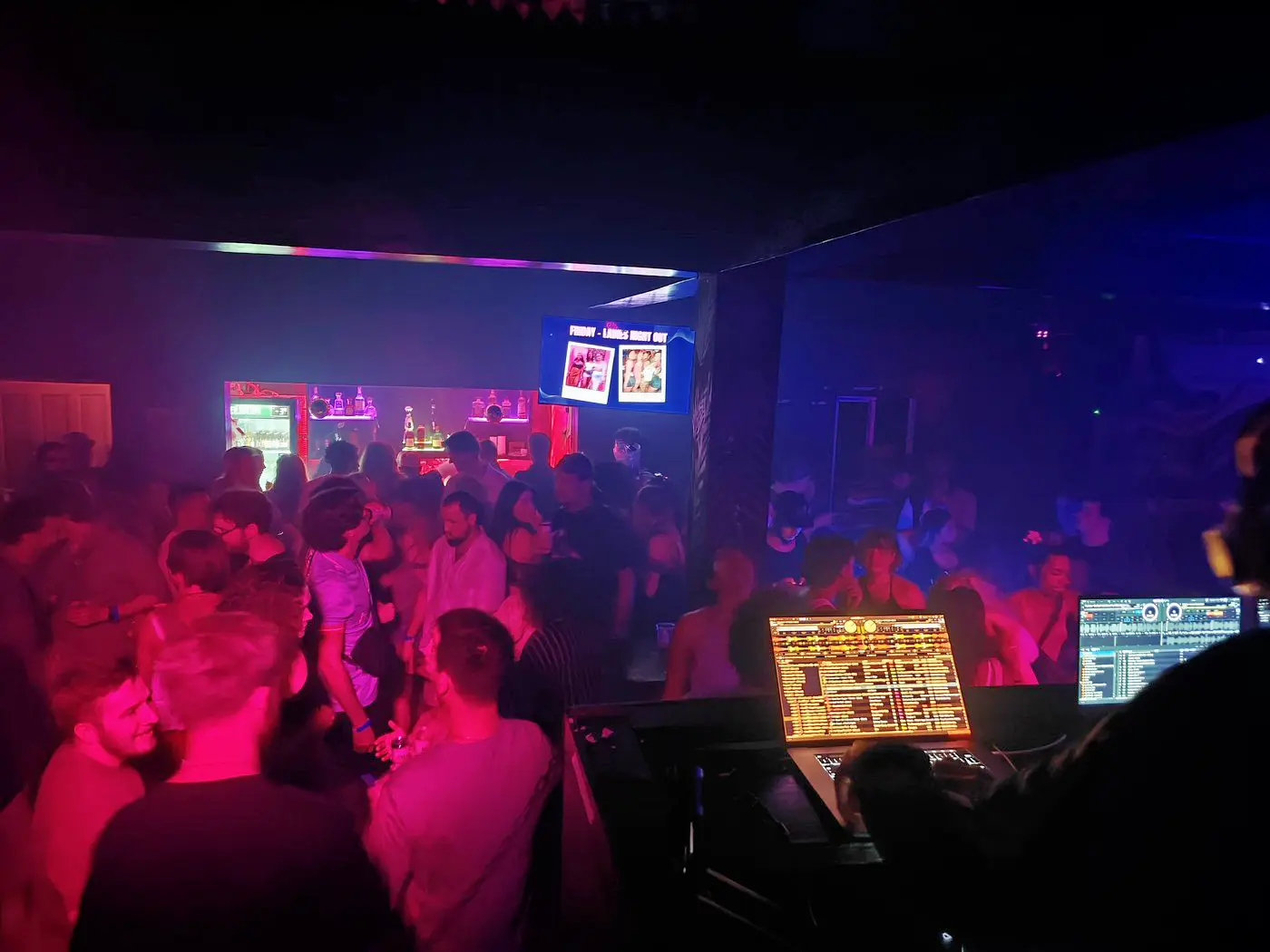
The era of indoor hookah lounges, cigar bars, and smoking-centered entertainment spaces in Belize appears to be approaching its final days.
The Tobacco Control Bill, 2025, which passed the House of Representatives on Friday and is now headed to the Senate before moving to the Governor General for assent, introduces sweeping restrictions that would fundamentally change where tobacco products can be consumed, sold, promoted, and displayed in Belize.
Minister of Health Kevin Bernard gave the rational behind the new law in Friday’s sitting of the House of Representatives “The freedom of one individual to smoke must never come at the expense of another person’s health. That is the balance this legislation seeks to achieve, Mr Speaker. Some have suggested that designated smoking areas or ventilation systems provide sufficient protection. Unfortunately, decades of scientific evidence have shown otherwise. Ventilation systems remove odours. They do not remove the toxic chemicals contained in tobacco smoke. Separate smoking rooms reduce visibility. They do not eliminate exposure. The only measure consistently shown to protect workers and the public is the creation of completely smoke-free indoor environments. That is why this bill adopts that standard.”
While much of the public discussion surrounding the legislation has focused on cigarettes and protecting children from nicotine addiction, the impact will extend far beyond traditional smokers. The Bill directly affects businesses whose identity and revenue model are built around tobacco consumption – particularly hookah establishments, cigar lounges, and any tourism venue that promotes smoking as part of the customer experience.
Indoor Smoking Would Become a Thing of the Past
The most significant provision is found in Section 9 of the Bill, titled “Places where smoking is prohibited.”
The section states that a person shall not smoke in:
- any indoor workplace;
- any indoor space that forms part of a public place;
- any public transportation; and
- certain other protected areas outlined in the legislation. ([National Assembly of Belize][1])
The wording is important because it does not distinguish between a cigarette, cigar, hookah pipe, or other tobacco products including electronic nicotine and electronic non-nicotine delivery systems.
The Bill’s definition of smoking and tobacco control framework is broad enough to capture the various ways tobacco is consumed.
For a traditional cigar bar or hookah lounge, this creates an obvious challenge. These businesses are not simply restaurants or bars where smoking happens occasionally. Smoking is the central attraction.
A cigar lounge without indoor cigar smoking would be similar to a bar that cannot serve alcohol or a nightclub that cannot play music.
Business Owners Will Have a Legal Duty to Enforce the Rules
The responsibility will not fall only on individuals who choose to smoke.
Under Section 10, persons responsible for premises have duties relating to compliance with the smoke-free requirements.
In practical terms, owners, managers, and operators will not be able to simply ignore customers who light up inside their establishments. They will have to take steps to ensure prohibited smoking does not occur.
The Bill also requires no-smoking signs under Section 11, making smoke-free requirements visible and enforceable.
For hotels, restaurants, bars, and tourism businesses, this represents a significant operational change.
Outdoor Smoking Areas May Not Save Existing Businesses
Some operators may assume they can simply move smoking outdoors.
However, the Bill is designed to limit exposure to second-hand smoke and establishes restrictions beyond indoor spaces. The exact application will depend on regulations and enforcement practices, but the direction of the legislation is clear: Belize is moving away from smoking as a normal feature of public hospitality spaces.
Tobacco Products Face New Restrictions
The Bill also goes well beyond smoking locations.
Sections 12 through 18 introduce new requirements governing tobacco packaging, health warnings, product information, misleading descriptions, plain packaging, and product regulation.
This means tobacco products themselves will become far less visible and marketable.
The legislation also prohibits sales to and by children under Section 19, bans the sale of loose cigarettes under Section 20, and introduces restrictions on tobacco advertising, promotion, and sponsorship under Sections 21 and 22.
For businesses that have relied on tobacco branding, promotions, or displays as part of their marketing strategy, the changes will be substantial.
Enforcement Will Determine the Impact
One question that remains is how aggressively the new law will be enforced.
The Bill establishes authorised officers and enforcement powers under Sections 24 through 28, including inspection and complaint mechanisms.
Like many laws, its real impact will depend not only on what is written but on how consistently it is applied.
A Turning Point for Belize’s Nightlife Culture
The Tobacco Control Bill represents more than a smoking restriction. It signals a broader cultural shift in how Belize approaches tobacco use in public life.
For public health advocates, it is a long-overdue measure that protects workers and the public from second-hand smoke.
For some business owners and adult consumers, it represents the loss of a social tradition and a challenge to businesses that have catered to cigar and hookah enthusiasts.
But if the Bill completes the remaining parliamentary steps and receives assent, one thing is clear: Belize’s smoke-filled lounges and indoor smoking venues will face a dramatically different future.
The question will no longer be whether hookah houses and cigar bars can operate as they have in the past.
The question will be whether they can reinvent themselves in a smoke-free Belize.
Alcohol Laws Next
Meanwhile the Government of Belize is advancing nationwide public consultations this month August 2026 for a major overhaul and modernization of the outdated Intoxicating Liquor Licensing Act. The proposed policy reforms focus primarily on updating Belize’s Alcohol Laws, operating hours, tightening noise and open-air bar regulations, and improving enforcement fairness across local communities